Salt Air Damage: Cleaning a Florida Coastal Home
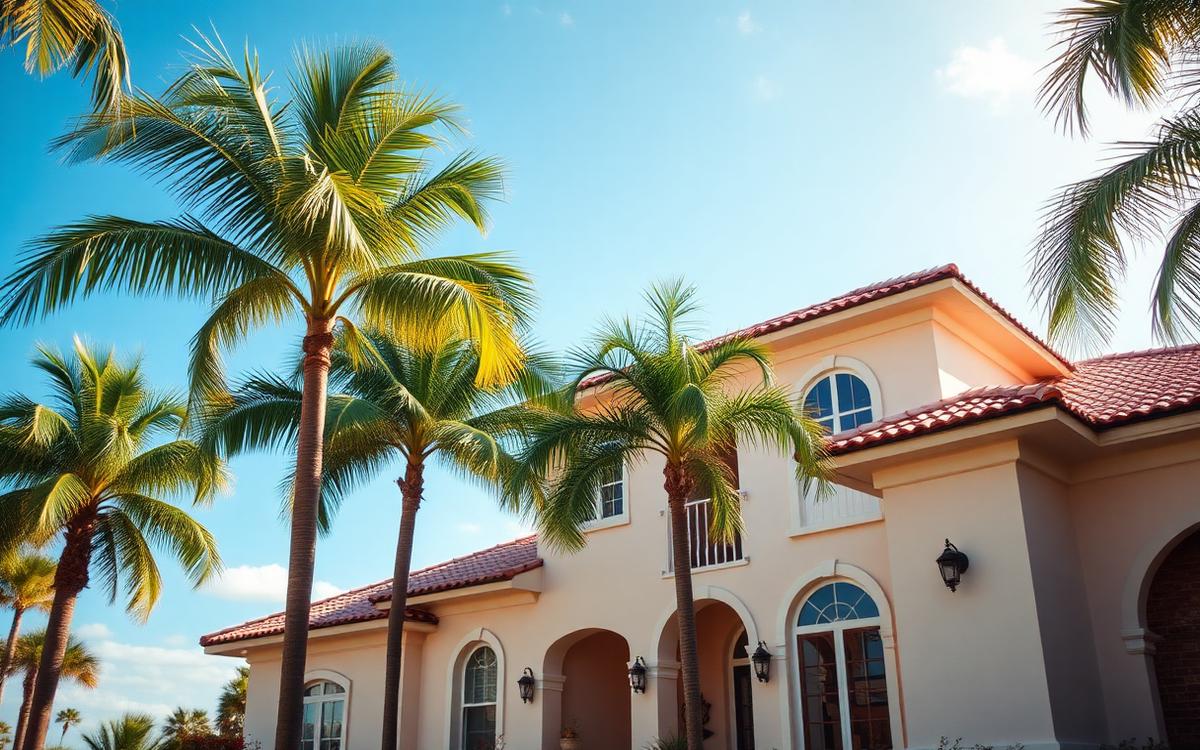
Salt air damage to a Florida coastal home starts within 30 days of any missed cleaning and becomes irreversible etching on stainless appliances and hardware in 60–90 days. Homes within one mile of the Gulf or Atlantic — most of Naples, Clearwater, and St. Petersburg — see visible salt film on windows and fixtures every 5–7 days. This guide covers what corrodes, how fast, and the weekly routine that keeps coastal homes intact. For local service near you, start with our Naples cleaning hub.
How fast salt air damages a coastal home
| Material | First visible film | Etching / permanent damage |
|---|---|---|
| Stainless appliance faces | 5 – 7 days | 60 – 90 days |
| Chrome / nickel hardware | 5 – 7 days | 90 – 180 days |
| Glass windows + shower doors | 7 – 10 days | 180+ days (permanent haze) |
| Screened enclosure frames (aluminum) | 10 – 14 days | 1 – 2 years |
| Outdoor furniture (steel legs) | 10 – 14 days | 1 – 3 seasons |
| Cabinet hinges + pulls | 14 – 30 days | 1 – 2 years |
| Ceiling fan blades + housing | 30 days | 2 – 3 years |
Why coastal Florida is worse than most coasts
Salt aerosol concentrations in Florida are higher than in most U.S. coastal states for two reasons: warm-water evaporation is more efficient at moving salt into the air than cold-water evaporation, and Florida's persistent onshore trade winds carry aerosol miles inland. NOAA measurements near Miami and Fort Myers show salt deposition rates 40–60% higher than comparable New England coasts. That's why homes 3–5 miles inland in Florida still see salt film that Cape Cod homes don't experience until they're on the water.
The weekly coastal cleaning routine
- Wipe every stainless appliance face with mild soap water; rinse; buff dry
- Wipe faucets, shower heads, and cabinet hardware with damp microfiber
- Wet-wipe interior sides of exterior-facing windows (5-mile-inland: monthly is fine)
- Squeegee glass shower doors after every use
- Vacuum window tracks and sills — pollen + salt is the coastal signature
- Rinse screened lanai / pool deck flooring
- Wipe outdoor furniture frames with fresh water
The monthly coastal cleaning routine
- Descale faucets and shower heads with a 30-min vinegar bag
- Polish stainless with a manufacturer-recommended polish (Weiman, Bar Keeper's Friend)
- Wipe cabinet hinges, drawer glides, and door hardware with light oil
- Deep-vacuum air-vent grilles and A/C intake covers
- Sweep pollen and salt from screen enclosure walls (leaf blower on low from inside)
What NOT to use on coastal fixtures
- Steel wool — leaves iron particles that rust on the surface within days
- Bleach on stainless — pits the passivation layer permanently
- Abrasive powders (Comet, Ajax) — scratch chrome and glass
- Ammonia-based cleaners on brass — permanently discolors
- Untreated tap water for the final wipe — Florida hard water adds mineral spots on top of salt film
The window problem specifically
Coastal Florida windows haze permanently within about 6 months of neglect because salt fuses into the microscopic pores on the glass surface. Once fused, no residential cleaning removes it — the glass looks foggy even after it's been cleaned. Prevention is easy: interior side monthly with glass cleaner and microfiber, exterior side quarterly. If you already have permanent haze, a professional restoration polish ($150–$400 per home) can sometimes recover it.
Which Florida metros need this treatment
| Metro | Typical distance to coast | Salt-exposure tier |
|---|---|---|
| Naples | < 3 miles most homes | High |
| Fort Myers | 0 – 8 miles | High to moderate |
| Miami / Miami Beach | < 5 miles | High |
| Fort Lauderdale | < 5 miles | High |
| Clearwater / St. Petersburg | < 4 miles | High |
| Sarasota | < 5 miles | Moderate to high |
| Tampa (mainland) | 5 – 15 miles | Moderate |
| Orlando (inland) | 60+ miles | Low |
| Jacksonville (mainland) | 5 – 20 miles | Moderate |
Salt air damage FAQ
Does salt air really damage indoor fixtures?
Yes. Sea-salt aerosol drifts indoors through screens, windows, and even A/C systems. Stainless appliances, chrome hardware, and interior glass all show visible film within 5–10 days along the coast, and etching becomes permanent within 60–90 days on stainless.
How often should I wipe stainless in a coastal Florida home?
Weekly with mild soap water and a soft microfiber. Monthly with a stainless-specific polish. Never with abrasive powders, steel wool, or bleach — those cause more damage than salt does.
Is salt air worse in Miami or Naples?
Naples averages higher because Gulf salt aerosol concentrations are typically higher than Atlantic side by 10–15%, and Naples homes sit closer to open water on average. Both metros need weekly stainless-and-window attention.
Can a professional cleaning company handle salt-air maintenance?
Yes — this is a big reason coastal Florida cleaning companies charge 15–25% more than inland metros. The extra time isn't markup; it's the salt-and-descale work on faucets, shower heads, glass, and stainless that inland homes don't require. See our Naples and Clearwater pricing tiers.
Related reading
Ready to get matched with vetted Florida cleaners?
Three free quotes from licensed, insured, background-checked companies — in 60 seconds.